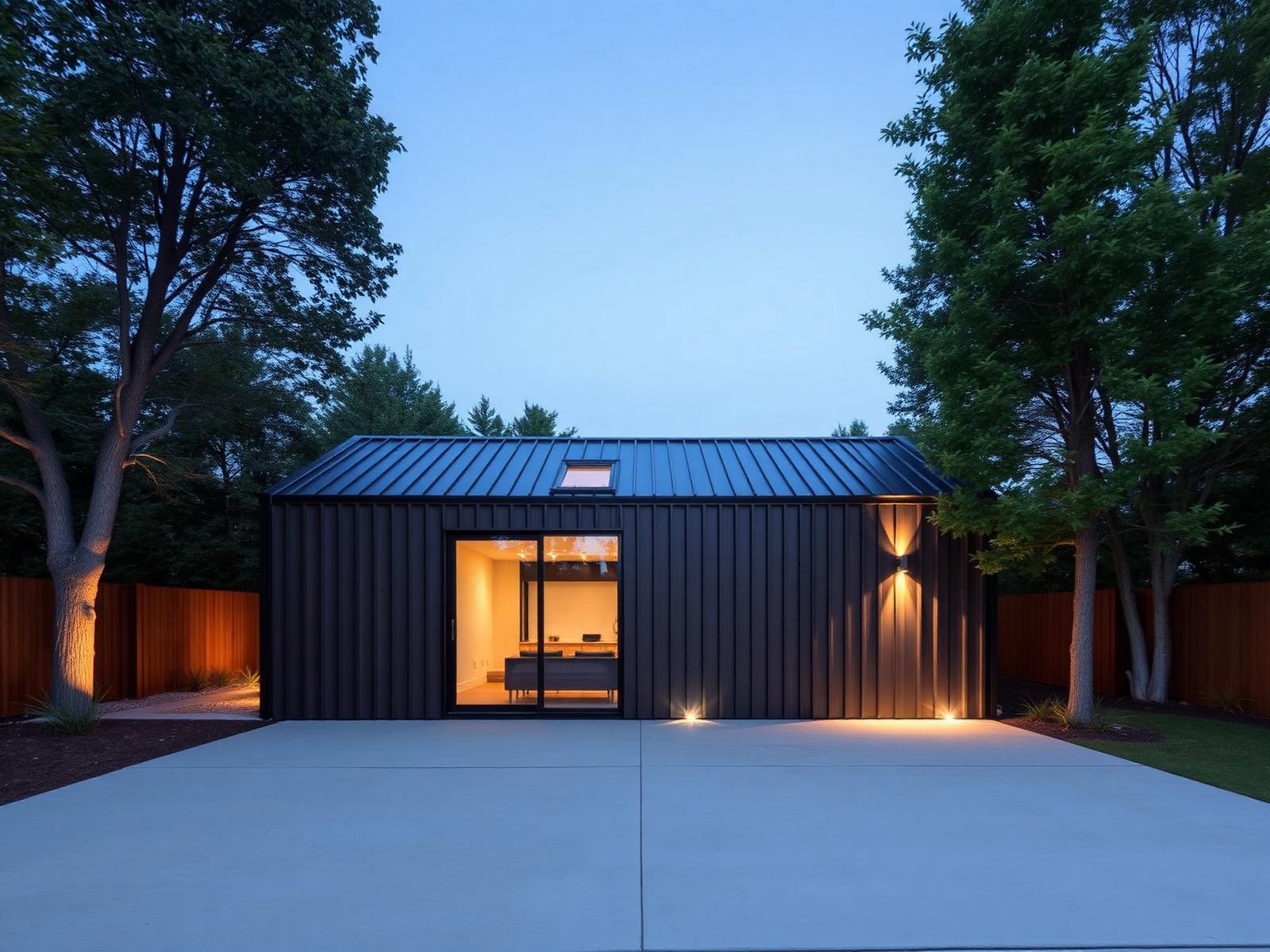
What Requires a Permit
In California, permits are required for any structural work (walls, beams, foundations), any new electrical circuits or panel work, any new plumbing or gas lines, any new HVAC systems, any addition or removal of square footage, decks over 30" above grade, most fences over 6' tall, retaining walls over 4', and any work that changes egress (windows, doors, stairs). Solar and roofing typically require permits. ADUs always require permits.
What Usually Doesn't
Painting, flooring replacement (unless changing subfloor), cabinet swaps where plumbing and electrical don't move, hardware, and cosmetic tile work generally don't require permits. Verify with your city — some cities are stricter.
How Long Permits Take
Simple electrical or plumbing permits are often over-the-counter (same day). Kitchen or bath remodels are typically 4–8 weeks. New additions are 8–16 weeks. Ground-up custom homes and ADUs typically take 3–6 months of permit review, sometimes longer in slower jurisdictions.
The Cost of Skipping a Permit
Unpermitted work causes three concrete problems: (1) it must be disclosed at sale, and buyers routinely demand permits be pulled retroactively (often at 2–3x original cost) or the price drops accordingly; (2) it usually voids the affected portion of your homeowners insurance; (3) if the work fails and causes injury, you're personally liable. There's no upside to skipping permits on real work.
Frequently Asked Questions
Does a permit get pulled by the homeowner or contractor?+
Either. Contractors typically pull permits on their license. Homeowners can pull owner-builder permits but take on the associated liability.
How much do permits cost?+
Highly jurisdiction-dependent. Simple electrical permits are $150–$500; kitchen remodels $1,500–$5,000; ADUs $4,000–$15,000; new homes $10,000–$50,000+.